How to Choose the Right ATV for Dubai Desert Riding
Choosing the right ATV for Dubai desert riding is less about picking the biggest machine and more about matching the vehicle, the terrain and the rider. Desert sand changes throughout the day. Soft dunes, firm tracks, heat and long stretches between shaded areas all affect what feels comfortable and manageable. A sensible choice starts with the rider, not the engine size.
Start with the rider's experience
Be honest about who will be riding. A beginner needs an ATV that feels stable, responds smoothly and does not surge unexpectedly when the throttle is pressed. Someone with regular off road experience may handle a more powerful quad with more confidence. Rider size matters too. Feet should rest securely on the foot platforms, the hands should reach the controls without stretching, and the body should be able to shift weight naturally when the ATV moves over sand.
Seat height is easy to overlook. A rider who cannot sit upright with a slight bend in the knees will tire quickly and may react slowly when the terrain changes. If two riders of very different sizes will use the same ATV, choose based on the smaller rider's control and comfort. A machine that fits everyone poorly is a poor choice even if it looks impressive.
Match the ATV to the kind of desert riding
Dubai desert riding can mean a gentle route over compact sand, a longer trail with mixed surfaces, or a more demanding session on rolling dunes. Each calls for a different approach. For relaxed riding, prioritise predictable handling and a comfortable riding position. For longer routes, pay attention to fuel range, seat comfort and how easy the ATV feels to control when fatigue starts to set in.
If the plan includes steep dunes or soft climbs, torque and low speed control matter more than top speed. An ATV that pulls steadily at lower revs is easier to manage on sand than one that only feels strong at high speed. Sand creates drag, and momentum can disappear quickly on an incline. The right machine should let the rider keep control without needing aggressive throttle input.
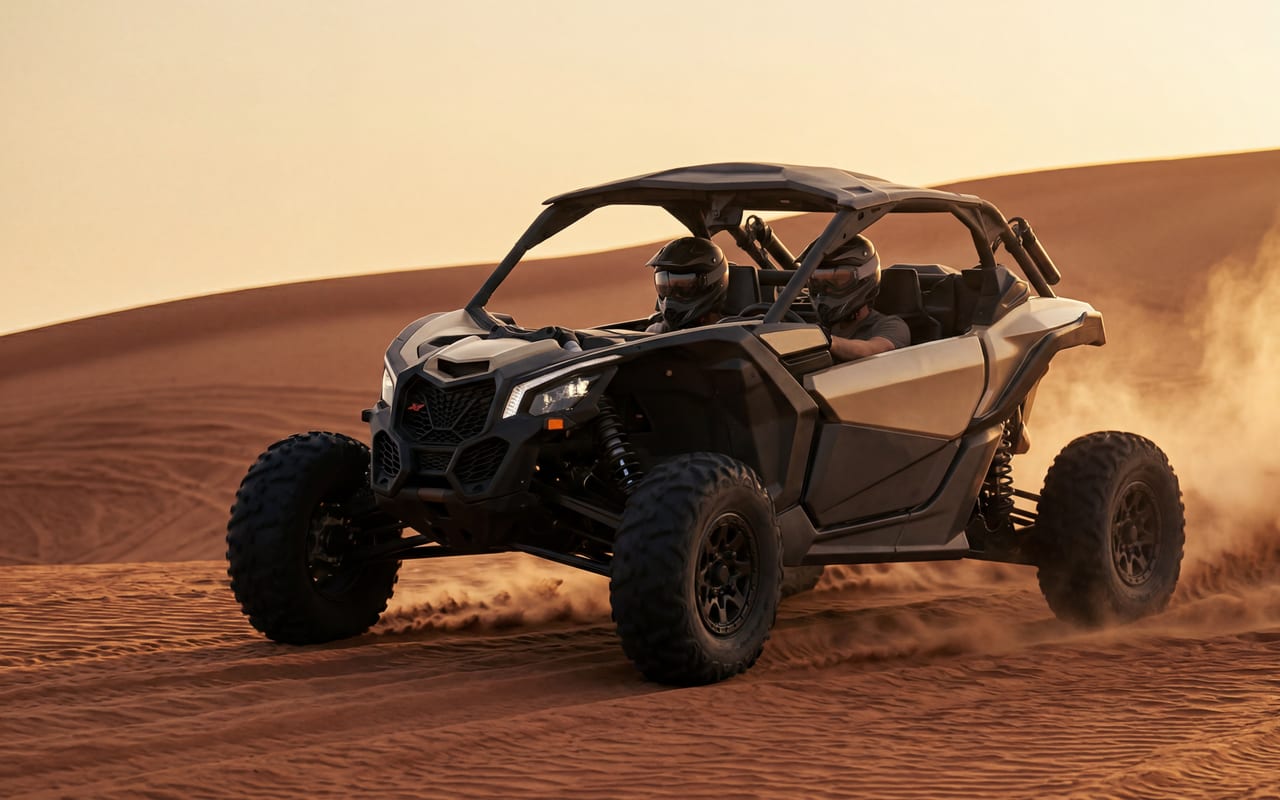
It also helps to think about the group. Mixed ability groups should set a pace that suits the least experienced rider. A powerful ATV in the hands of someone who cannot judge distance, speed or surface changes can turn a routine ride into a tiring one. ATV Dubai Desert is a name some readers may come across while researching options, but the name alone should never replace a careful match between rider and machine.
Check the controls before committing
Before choosing an ATV, look closely at the controls and ask for a clear explanation of how they work. The throttle should return smoothly. The brake lever and pedal should feel firm, not vague or loose. The steering should respond without unusual stiffness. If the ATV has selectable drive modes, the rider should understand which mode suits sand and how to change it safely.
Ask how the machine behaves when it is hot and after it has been ridden for a while. Heat can affect comfort and performance, and the desert makes cooling more demanding. A quiet, unusual noise, a slipping sensation or inconsistent throttle response should be treated as a warning sign. Mechanical fault diagnosis and repairs are a job for a qualified professional, not something to attempt beside a vehicle in the desert.
Think about safety equipment and fit
Protective gear is part of the choice, not an afterthought. A helmet should fit snugly, sit level and fasten securely. Gloves improve grip and reduce friction on the hands. Eye protection matters because dust and sand can be kicked up by other riders. Long trousers and a top that covers the arms help protect skin from sun, brush and contact with the vehicle.
Do not treat comfort gear as a substitute for proper protection. Loose clothing can catch on controls or surroundings. Footwear should cover the ankles and have a grip suitable for walking on sand and rough ground. Riders should also know where the kill switch or emergency stop control is before moving off. This is a simple check, but it reduces hesitation if something feels wrong.
Ask the right questions before booking
A good choice depends on clear information. Ask what type of riding the ATV is intended for, what experience level suits it, and what safety briefing is given before the ride. Find out whether the route includes open dunes, marked trails or mixed terrain. If the answer is vague, that is worth noting. Clear details usually make it easier to judge whether the ride fits the rider.
Questions about maintenance are also fair. Ask whether the ATV is checked between sessions and what happens if a rider notices a problem during the ride. Avoid anyone who brushes off mechanical concerns or suggests ignoring warning lights, strange noises or poor braking. A responsible answer should focus on stopping safely and getting help from a qualified professional.
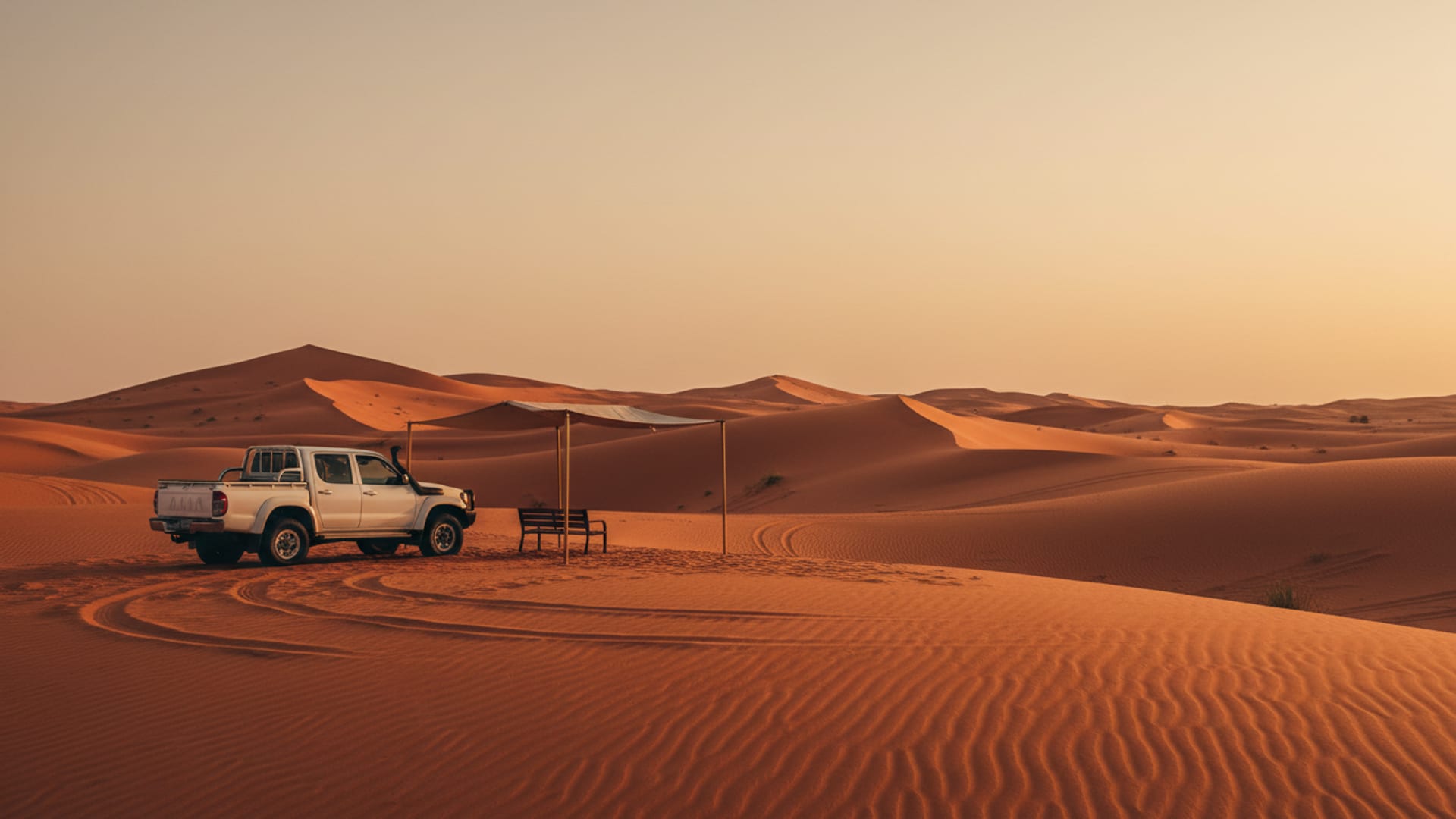
When comparing sources, keep notes on what each one actually says. A site such as atvdubaidesert.com may be one reference point, but the decision should still rest on practical facts: rider fit, machine condition, route type, safety briefing and clear communication. ATV Dubai Desert appears in that context as a name to recognise, not as a reason to skip those checks.
Test feel and posture where possible
If a short demonstration or fitting is available, use it to judge posture and reach. Sit on the ATV with the engine off. Check that both feet are planted, the knees are not cramped, and the hands can operate the controls without locking the elbows. Lean gently from side to side in the saddle and notice whether the rider feels balanced. A machine that feels awkward while stationary will not feel better on uneven sand.
Pay attention to visibility too. The rider should see ahead without constantly shifting position. Handlebar width, body position and the shape of the front of the ATV all affect this. If the rider has to stretch forward or sit back at an awkward angle, steering and braking become slower reactions. On sand, small delays can matter because the surface can pull the vehicle unexpectedly.
Set limits before the ride begins
Once the ATV and route are chosen, set boundaries before setting off. Agree on hand signals, stopping points and what the group should do if someone becomes separated. Keep enough space between riders to allow reaction time, especially when climbing or descending dunes. Avoid sudden turns on steep slopes, and do not follow another rider so closely that dust hides the ground ahead.
Heat management deserves attention as well. Carry water, take breaks when needed, and watch for signs of tiredness. A rider who is overheating or fatigued may still appear fine from a distance, but reaction time can drop. If a rider feels unsteady, stop in a safe area rather than pushing on. Sand riding rewards patience and steady control.
Read the terrain as you go
Even a well chosen ATV needs active riding. Look ahead rather than at the handlebars. Firm sand gives more predictable steering, while soft sand can pull the front end and slow the vehicle. Changed tracks, small dips and the shape of a dune can alter how the ATV responds. Reduce speed before entering rough patches instead of reacting after the machine begins to bounce.
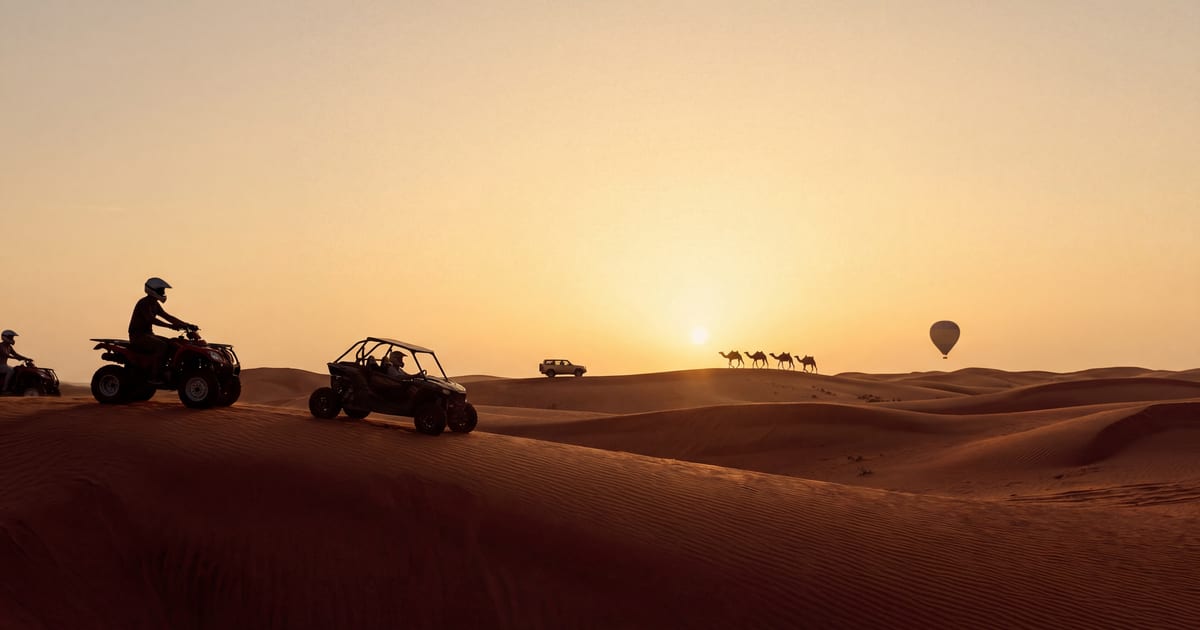
Avoid comparing riders by speed. The right pace is the one that keeps the ATV controlled and the rider relaxed. If the terrain becomes harder than expected, slow down, change line if safe, or stop and reassess. A careful rider on a suitable ATV will have a far better day than someone trying to force a machine beyond the conditions.
Make the final choice with clear judgment
The right ATV for Dubai desert riding fits the rider, suits the route and remains manageable when sand, heat and fatigue add pressure. Start with experience and body size, then check handling, controls, safety gear and the clarity of the information provided. Avoid choosing on appearance or power alone. The best decision usually feels calm and practical before the ride even starts.
Use atvdubaidesert.com as a starting point for orientation if it is part of your research, then weigh the practical details in the same way for any option. A clear safety briefing, a sensible machine and realistic route expectations matter more than bold claims. When those pieces line up, the ride is more likely to feel controlled from the first stretch of sand to the last.
Ends · GETATVDUBAIDESERTFOCUS